NEUROSCIENCE · BIOETHICS · SCIENCE POLICY
Science moves forward.
Let’s think about
where it takes us.
I’m Chanel Matney, a neuroscientist and science policy professional focused on the human stakes of emerging technology.
Explore my work ↗More about me ↓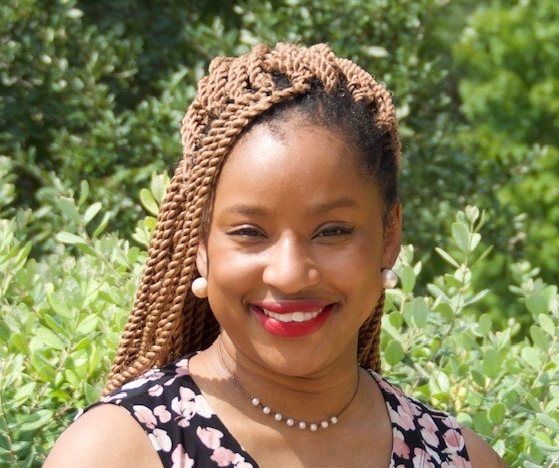
01 / THE PERSPECTIVE
At the intersection
of discovery
and responsibility.
The questions that interest me begin where technical possibility meets human consequence.
My background spans neuroscience research, science and technology policy, and bioethics. I bring these perspectives together to connect evidence, people, and the decisions that shape our collective future.
As Program Manager for UCSF Bioethics, I support interdisciplinary work in research, education, and public engagement. My emerging focus is the governance of health AI and neurotechnology—especially what these tools mean for human agency, judgment, and capability.
View my UCSF profile ↗02 / WORK & FOCUS
Rigorous questions.
Real-world stakes.
A portfolio at the meeting point of scientific evidence, ethical inquiry, and institutional action.
PROGRAM LEADERSHIP
Connecting the
bioethics community
Supporting research, education, and public engagement through UCSF Bioethics.
UCSF Bioethics / Current work02 ↗RESEARCH CULTURE
Responsibility
in practice
Program administration for human subjects Responsible Conduct of Research education.
Research ethics / Current workDEVELOPING FOCUS
Technology that
changes us
Exploring how AI and neurotechnology affect agency, judgment, and human capabilities—and what governance should protect.
Health AI & neurotechnology / Interests03 / NOTES & PERSPECTIVES
Thinking out loud.
A space for essays and questions about science, society, and the technologies shaping us.
This draft is a starting point for the site, not a previously published article.
04 / IN CONVERSATION
Ideas belong
in the room.
Good governance takes conversation across disciplines. This is a home for talks, panels, and exchanges with the people asking what science makes possible—and what society should do next.
Selected video recordings coming soon.
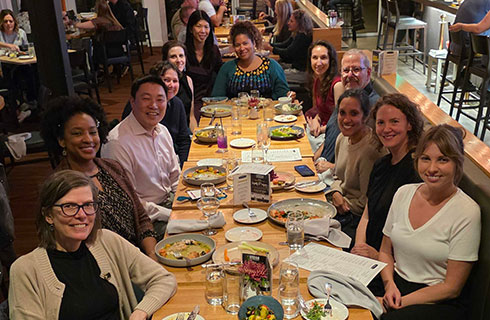
UCSF colleagues at the 2025 ASBH meeting in Portland.Photo & event recap: UCSF Decision Lab ↗
LET’S CONNECT
The future is a
conversation worth having.
For speaking, collaboration, and conversations about science policy,
health AI, or neurotechnology governance.